The Complete Guide to Clear Aligners: Everything You Need to Know Before Starting Treatment
treatment
By
Dr. Rooz Khosravi, ABO & EBAO Board-Certified Orthodontist
Clear aligners have quietly become one of the most requested orthodontic treatments in the country.
Adults who never went through braces as teenagers are choosing them because they can straighten their teeth without changing how they look at work.
Teens are choosing them because they don’t like the braces look and they would like the feeling of removing them while eating. Parents are choosing them for their kids because they believe that maintaining good oral hygiene is easier and it matches their kids' lives better. Parents know their kids better and sometimes they know Invisalign treatment is the better choice.
If you are considering clear aligners in Bellevue, on the Eastside, or anywhere in the greater Seattle area, this guide is written for you.
It walks through what clear aligners (Invisalign treatment) are, how treatment actually works, who is a candidate, what it feels like day to day, what it costs, and what to expect at every stage.
The goal is to give you enough information to help you find the right path for your smile transformation.
One note before we get into it. Every smile is different. General guides like this one can help you understand the landscape, but the only way to know what your case actually needs is a professional evaluation with an orthodontist who can look at your teeth, your bite, and your goals together. Treat this guide as a starting point, not a diagnosis.
1: What Are Clear Aligners?
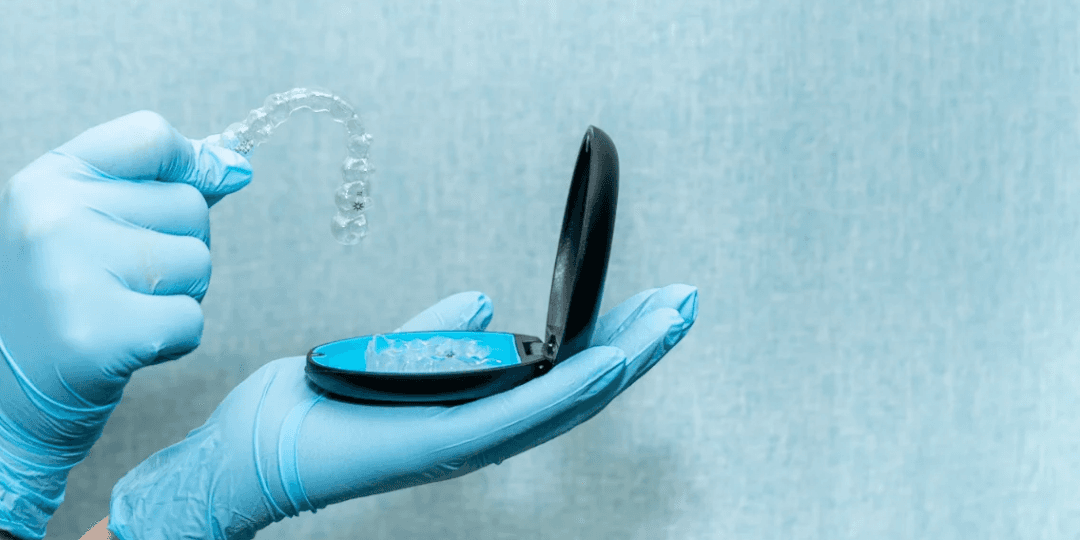
Clear aligners are a series of custom-made, transparent plastic trays that fit over your teeth and gradually shift them into a planned position.
Each tray is designed to move specific teeth a small, precise distance. When you finish one tray and move to the next, the process continues, until your teeth reach the position your orthodontist planned at the start.
The well known brand is Invisalign, but there are several professional aligner systems in use today. In this guide, we use "clear aligners" as the general term. When people say clear aligners or Invisalign alternatives, they are usually describing the same category of treatment. At 425 Clear Aligners we use the Invisalign brand.
How they work
Each aligner is manufactured slightly differently from the current shape of your teeth. When you snap a fresh tray in, it does not match where your teeth are right now. It matches where they need to be next. That gentle mismatch applies steady pressure to specific teeth, encouraging them to move into the planned position over the days you wear that tray.
As your teeth respond, the tray gradually starts to fit comfortably, which is your cue that the set has done its job and you are ready for the next one. You typically wear each tray for one week, then swap it for the next in the series.
Digital treatment planning
Modern clear aligner treatment starts with a 3D digital scan of your teeth. That scan becomes the base for your custom treatment plan. Your orthodontist reviews and refines every stage of movement digitally before a single tray is manufactured, so the full arc of treatment is mapped out from day one.
For many patients, that digital plan also includes a visual preview of what the final result should look like. You get to see the projected outcome before you commit; this is often a simulation close to the final outcome of your care.
Why they are different from braces
Traditional braces move teeth using metal brackets bonded to each tooth and wires that connect them. The orthodontist adjusts those wires at in-office visits to guide movement.
Clear aligners move teeth using removable plastic trays instead of fixed brackets. You take them out to eat and brush, put them back in, and let the trays do the work. The mechanics are different, the patient experience is different, and the day-to-day routine is different, but the underlying goal of guided, gradual tooth movement is the same.
2: How Does Clear Aligner Treatment Work?
Understanding the patient journey from start to finish makes it easier to know what you are signing up for. Here is what the process typically looks like from the first visit through the final retainer check.
Initial consultation
Your first visit is an evaluation. Your orthodontist reviews your medical history, examines your teeth and bite, takes photos and X-rays and talks through your goals. At the end of the visit, you should have a clear sense of whether you are a good candidate for clear aligners, what the treatment would involve, and roughly how long it might take.
At 425 Clear Aligners, this consultation is virtual and asynchronous, which many patients in Bellevue and the greater Seattle area find easier to fit into their day. We collect all the records at the second appointment when you decide to proceed with your Invisalign treatment.
Digital scan
If you decide to move forward, your orthodontist takes a full 3D digital scan of your teeth. This is quick, comfortable, and does not involve traditional putty impressions. The scan becomes the foundation of your treatment plan.
Treatment planning
Your orthodontist uses the scan to design the movement plan tray by tray. For a dual board-certified orthodontist, this is where deep specialty training matters most. The planning stage determines how efficient and predictable your treatment will be.
Receiving your aligners
Once the plan is finalized, your aligners are manufactured and shipped to your orthodontist. You will receive a set of trays covering multiple stages of treatment, along with instructions and any accessories you need, like chewies or a case.
At 425 Clear Aligners, we exclusively work with the Invisalign brand.
Changing trays
You wear each tray for the timeframe your orthodontist specifies, typically one to two weeks, then move to the next set in the series. Consistency is the key variable here. The more reliably you wear your trays, the more predictable the movement.
Virtual monitoring
Between visits, virtual care monitoring platforms let your orthodontist check on your progress without an in-person appointment. You use your phone to capture short video scans of your teeth, which are reviewed for tracking through the app. If something is off, you hear about it right away rather than waiting weeks for the next check-in.
Refinements if needed
Even with careful planning, teeth do not always move exactly as predicted. Almost all treatments need refinements, which are additional trays designed to fine-tune the final result. This is normal, not a sign that anything went wrong. One run of aligners are limited on what they could deliver.
Retainers
Once your teeth are in their final position, you transition to retainers. These hold the result in place while the bone around your teeth remodels and stabilizes. Retainer wear starts intensive, then eases into nightly-only wear for the long term.
3: Who Is a Good Candidate?
Clear aligners can treat a wide range of orthodontic issues, but not every case is a good fit. Below are the common conditions aligners handle well, along with a note on why professional evaluation is the deciding factor.

Crowding
When there is not enough room in your arch for all your teeth to line up, they overlap or twist. Mild to moderate crowding responds well to clear aligners. More significant crowding may need additional planning steps, such as interproximal reduction, to create space.
Spacing
Gaps between teeth, whether from small teeth, a mismatched jaw and tooth size, or missing teeth, can often be closed with clear aligners. The size and location of the gaps affect complexity.
Overbite
An overbite is when the upper front teeth extend too far over the lower front teeth. Mild to moderate overbites can be treated with aligners. Deep or skeletal overbites sometimes require additional appliances or a combined approach.
Underbite
An underbite is the opposite: the lower teeth extend past the upper front teeth. Mild dental underbites can respond to aligner treatment. Skeletal underbites, where the jaw itself is the source, may need surgical or growth-based care.
Crossbite
A crossbite is when some upper teeth sit inside the lower teeth instead of outside. Aligners can correct many crossbites, particularly when they are limited to specific teeth rather than a full-arch skeletal issue.
Open bite
An open bite is when the upper and lower front teeth do not touch when the back teeth are together. Mild dental open bites are within the range aligners can address. More severe cases may require additional planning.
Relapse after braces
If you had braces as a teenager and stopped wearing your retainer, your teeth may have drifted over the years. Clear aligners are a common choice for adults treating this kind of relapse.
Adults
Adult clear aligners are one of the fastest growing segments of orthodontics. The appeal is straightforward: adults want a discreet treatment that fits into a working life, and aligners deliver on both.
Teens
Teen clear aligners are widely available and increasingly popular. They work well for teens who are responsible about wear time and who prefer aligners for social, athletic, or dietary reasons. Some cases involving still-developing jaws and erupting teeth are handled with modified aligner protocols.
Not every case is a good match for aligners. Certain orthodontists are not comfortable providing treatment with aligners. The other main factor is compliance if you feel that you can’t keep up with the treatment needs - 22 hours of wear - you are not a good candidate.
4: Benefits of Clear Aligners
There is a reason clear aligners have become the invisible braces most people picture when they think about modern orthodontics. The benefits are practical and add up quickly across a treatment that lasts many months.
Nearly invisible appearance. Clear aligners are transparent and sit closely against the teeth. Most people you interact with will not notice you are wearing them.
Removable for meals and cleaning. You take your trays out to eat, drink anything other than water, and brush your teeth. That is a meaningful change from braces, which stay on for the full duration of treatment.
Easier brushing and flossing. Because trays come out, you brush and floss the way you always have. No threading floss under wires or navigating brackets.
Limited food restrictions. Technically you can eat whatever you want during treatment, as long as you remove your trays first. Popcorn, apples, corn on the cob, and other foods that braces prohibit stay on the menu. Remember your teeth are sore as they are moving and sometimes it is harder to eat hard foods.
Fewer office visits. Remote monitoring, when it is part of your care, reduces the number of in-person appointments significantly.
Convenient remote care. Weekly check-ins from your phone mean your orthodontist keeps an eye on progress without asking you to take time off work or pull your child out of school.
Better understanding of treatment outcome. Because the full arc of treatment is planned digitally at the start, you can see the projected result before you begin. That helps you set expectations and understand what success looks like.
Confidence during treatment. Many patients say the biggest benefit is being able to smile normally during the months of treatment, rather than waiting a year or more to feel comfortable in photos.
5: Limitations
Building trust means being honest about where clear aligners fall short. These are not deal breakers for most people, but they are worth knowing before you start.
You have to wear them 20 to 22 hours a day. This is the biggest predictor of success. Aligners cannot move teeth if they are sitting in a case on your nightstand. That means wearing them through work, class, and social time, and only taking them out for meals and cleaning.
Discipline matters. Traditional braces stay on your teeth whether or not you feel like wearing them. Aligners require you to put them back in every time you take them out. If you are not confident you can commit to that habit, aligners may not be the best fit for you.
They can be lost. It happens more than you would think. A tray gets wrapped in a napkin at a restaurant, tossed with the plate, and never seen again. A case is a habit worth building.
Attachments are common. Many aligner plans use small tooth-colored bumps bonded to some teeth to give the trays a better grip for specific movements. Attachments are barely visible when the trays are in, but you should know they are part of most treatment plans.
Refinements (additional aligners) happen. A small percentage of cases need additional trays at the end of treatment to fine-tune the result. This is planned into how modern aligner treatment works, but it does add a few weeks or months to the timeline.
Aligners are an excellent treatment for the right case, and they are not the right answer for every case.
6: How Long Does Treatment Take?
The honest answer is that it depends on your case. Most clear aligner treatments fall into these general ranges.
Short cases with mild movement often finish in six months. These are typically minor cosmetic corrections, such as slight crowding or a small gap.
Standard cases usually run six to fifteen months. Most first-time aligner patients fall into this range.
More complex cases can extend to twelve to eighteen months or longer. This is common for cases involving significant crowding, bite correction, or multiple movement types.
Factors that affect treatment length
Patient compliance is the biggest single factor. Wearing your trays the full 20 to 22 hours a day keeps you on schedule. Under-wearing is the most common reason treatment stretches out.
Complexity of the case matters. Simple movements finish faster. Bite corrections, rotations, and larger repositioning steps take more time.
Biology varies. Teeth move at slightly different rates from person to person, based on bone density, age, and individual response. Your plan accounts for average movement, but real teeth do not always follow the average exactly.
Refinements add time. If your case needs a refinement stage, plan for a few extra weeks or months at the end.
The estimated timeline your orthodontist gives you at the start is based on your specific case, not a general average. That estimate is one of the most useful outputs of the consultation.
7: What Does Treatment Feel Like?
Knowing what to expect physically makes the first few weeks a lot easier.
Pressure
Each new tray applies gentle pressure to specific teeth. Most patients feel this most intensely in the first day or two after switching, then it fades by day three or four. By the end of the week, the same trays typically feel like a second skin.
Speech changes
You may notice a slight lisp or awkwardness with certain sounds during the first few days of treatment. Your tongue adapts quickly, and most patients report their speech feels normal within a week.
First week
The first week is the biggest adjustment. You are learning the routine, getting used to the sensation, and figuring out how to work aligners into your day. By the end of the first week, most patients say it feels like second nature.
Eating
You take your trays out for meals and drinks other than water. Food does not touch your aligners, so there are no restrictions on what you eat. Brush your teeth and pop the trays back in when you are done.
Sleeping
You wear your aligners while you sleep. That is one of the easiest wear windows of the day because there is no talking, eating, or drinking involved.
Removing aligners
You should be able to remove your trays with a fingernail from the back. Some patients use a small tool called an aligner remover for extra grip. Removing them gets easier after the first few days.
Cleaning
Rinse your trays with cool water when you take them out. Brush them gently with a soft toothbrush, without toothpaste, which can scratch the plastic. Aligner cleaning tablets are a good weekly step. Keep your trays in their case when they are not in your mouth.
8: Cost of Clear Aligners
The cost of clear aligners depends on several factors, and any number you see online is a general average, not a quote. Here is what actually affects what you pay.
What affects cost
Case complexity is a major driver. Short, simple cases are less expensive than long, complex ones because they use fewer trays and fewer appointments.
Provider type affects cost. A general dentist offering aligners often charges a similar or lower fee than a specialist, but the planning and supervision are different. A dual board-certified orthodontist brings advanced, specialized training, but expertise and pricing can vary from provider to provider. In some treatment models, working directly with an orthodontic specialist may also offer more straightforward pricing.
Included services affect cost. Some prices include only the trays. Others include your initial evaluation, scans, attachments, remote monitoring, refinements, and retainers. Comparing quotes is only useful when you know what is bundled in.
Geography affects cost. Metropolitan markets like Seattle typically see higher fees than rural areas because of overhead differences.
Insurance
Many dental insurance plans include orthodontic coverage, typically as a lifetime maximum benefit rather than an annual one. Your orthodontist's office can usually help you understand what your plan covers.
Financing and flexible payment plans
Most orthodontic offices offer monthly payment plans, so you do not have to cover treatment in a single upfront payment. HSA and FSA funds can be used for orthodontic treatment.
A long-term investment
Straightened teeth are easier to clean, which reduces the risk of decay and gum disease over decades. Bite correction can reduce jaw discomfort and uneven wear on teeth. The upfront cost buys a long-lasting result.
For a fuller breakdown of pricing considerations, see our internal resource on the Cost of Clear Aligners at 425 Clear Aligners.
9: Clear Aligners vs Braces
Both treatments straighten teeth. The differences are in how they feel, look, and fit into your life. Here is a side-by-side comparison.
Category | Clear Aligners | Traditional Braces |
|---|---|---|
Appearance | Nearly invisible transparent trays | Visible metal or ceramic brackets and wires |
Comfort | Smooth plastic, gentle pressure | Brackets and wires can rub or poke |
Oral hygiene | Remove trays to brush and floss normally | Brushing and flossing around brackets is harder |
Food restrictions | No restrictions, trays come out for meals | Sticky, hard, and chewy foods restricted |
Office visits | Fewer visits, remote monitoring available | Regular in-office adjustments every 4 to 8 weeks |
Treatment time | Comparable for most cases | Comparable for most cases |
Complex cases | Excellent range, some complex movements may need adjuncts | Broader range for complex or skeletal cases |
Lifestyle fit | Better for busy professionals, and social occasions | Requires more accommodation |
Compliance | Only works if worn 20 to 22 hours a day | Works regardless of user behavior |
10: Why Remote Monitoring Changes Everything
Traditional orthodontic treatment relies on in-office appointments every four to eight weeks. Your orthodontist checks progress in person, makes any adjustments, and sends you home for another two months.
Remote monitoring changes the rhythm entirely. Instead of waiting for the next appointment to find out how treatment is going, your orthodontist checks in every week using scans or short videos you capture with your phone.
Digital progress tracking
Weekly check-ins mean your orthodontist sees your progress as it happens. Tracking issues, tray fit problems, or bite changes are caught within days rather than months. That early detection often prevents the small issues that would otherwise become refinements later.
AI-assisted monitoring
Modern remote monitoring uses AI to flag specific concerns for the orthodontist to review, so nothing gets missed. The clinical judgment stays with the specialist. The AI simply helps focus attention on what matters most.
Fewer appointments
Because most check-ins happen remotely, in-office visits drop significantly. Many patients complete treatment with a handful of in-person visits rather than a dozen or more.
Convenience that scales with your life
For busy professionals in Bellevue and Seattle, the ability to check in during a coffee break rather than blocking off a two-hour window for an office visit is a real change in quality of life.
For families, it means fewer school pickups and drop-offs for orthodontic appointments and fewer scheduling conflicts across siblings.
For students, it means treatment does not compete with class time.
Still overseen by an orthodontist
Remote monitoring is not unsupervised care. Every check-in is reviewed by your orthodontist. If something needs an in-person visit, you come in. The remote layer is about efficiency, not about replacing clinical judgment.
11: Common Myths About Clear Aligners
Clear aligner treatment has become mainstream, but a few myths still circulate. Here is what the evidence says.
Myth: They only work for minor cases
Modern clear aligners can treat a wide range of orthodontic issues, from mild crowding to more complex bite corrections. The system has evolved significantly since the early 2000s. Your orthodontist can tell you honestly whether your case is a good fit.
Myth: They are painful
Clear aligners cause pressure, not sharp pain, when you switch to a new set. Most patients describe the sensation as tight for the first day or two, then fading. Braces, by contrast, often cause more soft tissue discomfort from brackets and wires rubbing against cheeks and gums.
Myth: They are slower than braces
For most cases, treatment times are comparable. Compliance is the main variable, not the aligner system itself.
Myth: They are only for adults
Teens use clear aligners in large numbers. Specific aligner options are designed for teenagers, including features that track wear time. Aligners can also be used in mixed dentition cases where some baby teeth are still present.
Myth: They stain your teeth
Clear aligners themselves can pick up staining from coffee, tea, red wine, or smoking, which is why you should only drink water while wearing them. The aligners do not cause staining on your teeth. Your normal oral hygiene routine keeps your teeth clean throughout treatment.
12: Frequently Asked Questions
How many hours per day do I need to wear my aligners?
20 to 22 hours a day, every day. The only wear-time breaks are for eating, drinking anything other than water, and brushing.
Can I drink coffee with my aligners in?
You should take your aligners out for coffee. Hot drinks can warp the plastic, and coffee stains your trays. Water is the only drink you can safely have with aligners in.
Can I chew gum?
No. Gum sticks to the plastic and damages the trays. Take your aligners out if you want to chew gum, then rinse your mouth and put them back in.
Can I smoke or vape with aligners?
You should remove aligners for smoking or vaping. Both can stain the trays and reduce their lifespan. That said, both also carry oral health risks worth discussing with your provider.
How often do I switch trays?
Typically every one to two weeks, depending on your treatment plan. Your orthodontist sets the schedule based on your case.
Can I whiten my teeth during treatment?
Yes, and many patients do. Some aligner systems allow you to use whitening gel inside your trays. Talk to your orthodontist about the best timing and method for your case.
What happens if I lose an aligner?
Contact your orthodontist right away. Depending on where you are in your treatment schedule, they may have you go back to the previous tray, jump forward to the next one, or order a replacement. Do not skip trays or wait to figure it out yourself.
How often do I need in-person appointments?
With remote monitoring, in-person visits typically drop to every three to six months, or fewer, depending on your treatment plan.
Can teens wear aligners?
Yes. Teen clear aligners are widely used and have specific features to support younger patients. Compliance is the biggest predictor of success at any age.
Are clear aligners a good Invisalign alternative?
Invisalign is the most recognized clear aligner brand, but it is one of several professional systems. The provider planning your case matters more than the specific brand. A dual board-certified orthodontist can help you understand your options and which system fits your case best.
Conclusion
Clear aligners are a modern, effective, and increasingly accessible treatment option. For the right case, they deliver excellent results with a fraction of the disruption traditional braces once required. For the wrong case, they can still be a good tool when combined with other approaches, or an orthodontist can point you toward a better fit.
Success comes down to three things. First, an accurate diagnosis and thoughtful treatment plan, ideally from a board-certified orthodontist with deep aligner experience. Second, consistent daily wear, because aligners cannot move teeth they are not in contact with. Third, follow-through on retainers, because everything you invested in treatment holds only if you keep your teeth where they finished.
Every smile is unique. The best first step is a professional evaluation with an orthodontist who can look at your teeth, your bite, and your goals and tell you honestly what is achievable and what it takes to get there.
If you are considering clear aligners in Bellevue, on the Eastside, or anywhere in the greater Seattle area, our team at 425 Clear Aligners offers virtual consultations by Dr. Rooz Khosravi, a dual board-certified orthodontist and Clinical Associate Professor at the University of Washington School of Dentistry. You will get a real clinical assessment, not a sales pitch, and a clear answer about whether clear aligners are the right path for your smile.